Is Your Medicine Cabinet a Hidden Health Hazard? A Room-by-Room Safety Audit
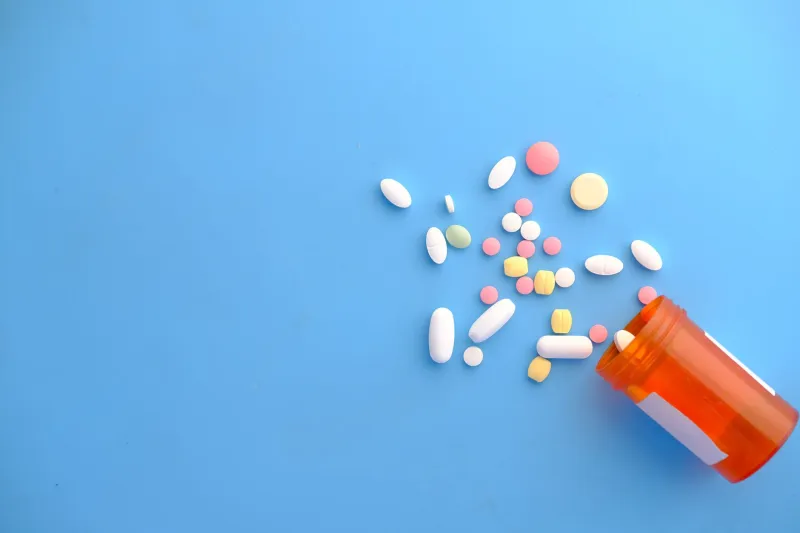
Open the average American medicine cabinet and you will likely find a quiet accumulation of years: a half-used antibiotic from 2019, three different bottles of ibuprofen with overlapping expiration dates, a prescription muscle relaxant from a surgery long healed, and perhaps a cough syrup that predates a previous address. According to the U.S. Food and Drug Administration (FDA), an estimated 60 percent of households retain unused or expired medications — many of which pose measurable risks to family members, visitors, and the environment.
This is not a judgment. It is, however, an urgent invitation to take thirty minutes tonight and conduct a proper medicine cabinet audit. What follows is a structured, practical guide developed with FDA disposal guidelines and standard pharmaceutical safety principles in mind.
Why Holding On to Old Medications Is Riskier Than It Seems
The instinct to keep leftover prescriptions — "just in case" — is deeply human and entirely understandable. But that instinct carries real consequences.
Expired medications do not simply stop working. Some degrade into compounds that can cause unintended physiological effects. Tetracycline-class antibiotics, for example, have been associated with kidney toxicity when taken past their expiration date. Liquid formulations, particularly pediatric suspensions and insulin products, can develop bacterial contamination or lose potency in ways that are invisible to the eye.
Beyond degradation, improperly stored or unsecured medications are a leading contributor to accidental pediatric poisonings. The American Association of Poison Control Centers consistently reports that medications — including vitamins and supplements — rank among the top causes of calls to poison control involving children under five. In many of these cases, the medication involved was not prescribed for anyone currently in the household.
Opioid medications stored in unlocked cabinets represent a separate but equally serious concern. The CDC has documented that a significant proportion of individuals who misuse prescription opioids obtained them from a friend or family member's supply — often without that person's knowledge.
Step One: Pull Everything Out
Do not audit around items. Remove every bottle, blister pack, tube, inhaler, and device from every location where you store medications — and remember that "the medicine cabinet" is rarely just one place. Check nightstands, kitchen drawers, gym bags, purses, glove compartments, and bathroom shelves.
Once everything is visible, sort into three initial piles:
- Expired or undated items
- Prescriptions you no longer actively use
- Current, in-date medications you rely on
Step Two: Evaluate Storage Conditions
Before you assume that an in-date medication is safe to keep, consider where it has been living. The bathroom medicine cabinet — ironically, the most traditional storage location — is one of the worst environments for most medications. Heat and humidity from showers and baths accelerate chemical breakdown in tablets, capsules, and liquids alike.
Ideal storage conditions for most oral medications are:
- Temperature: Between 59°F and 77°F (room temperature, away from heat sources)
- Light: Protected from direct sunlight
- Humidity: Dry environments; not above sinks or in steamy bathrooms
If a tablet has changed color, developed an unusual odor, or appears crumbly or clumped, treat it as compromised regardless of its printed expiration date. The same applies to any liquid that has separated, discolored, or developed visible particles.
Insulin and certain biologics require refrigeration and should be evaluated separately according to the manufacturer's instructions and your prescribing physician's guidance.
Step Three: Know What to Prioritize for Disposal
Not all medications carry equal risk when retained. The following categories warrant immediate, priority disposal:
1. Opioid analgesics and other controlled substances. Any unused opioids — hydrocodone, oxycodone, tramadol, codeine — should be disposed of promptly. Do not wait for a "convenient time."
2. Benzodiazepines. Medications such as alprazolam, diazepam, and lorazepam carry significant misuse potential and should not remain in an accessible cabinet beyond active need.
3. Pediatric prescriptions from prior illnesses. Liquid antibiotics, ear drops, and fever medications prescribed for a child's past infection are not appropriate to self-administer or share at a later date.
4. Medications prescribed for someone who no longer lives in your household. These have no legitimate ongoing use and represent a liability.
5. Any prescription not associated with a current, active diagnosis. If you cannot immediately explain why you still need it, it likely does not belong in your cabinet.
Step Four: Dispose Correctly — The FDA-Recommended Methods
The FDA outlines two primary disposal methods for unused medications:
Drug Take-Back Programs
This is the preferred method. The DEA's National Prescription Drug Take Back Day occurs twice annually, but authorized collection sites — including many retail pharmacies, hospitals, and law enforcement offices — operate year-round. The DEA's online locator at deadiversion.usdoj.gov allows you to find the nearest authorized drop-off location by ZIP code.
Household Trash Disposal (When Take-Back Is Unavailable)
If no take-back option is accessible, the FDA recommends the following steps for most medications:
- Mix the medication with an undesirable substance — used coffee grounds, dirt, or cat litter work well.
- Place the mixture in a sealed container such as a zip-lock bag.
- Remove or obscure any personal information from the original label.
- Discard in your household trash.
A small number of medications — primarily certain opioids — carry FDA-specific guidance to flush them down the sink or toilet when take-back is unavailable, due to the particular risk they pose if discovered in trash. The FDA maintains a current "flush list" at fda.gov that identifies these specific drugs by name.
Do not crush or puncture aerosol inhalers. These require separate disposal as hazardous waste; contact your local municipal waste authority for guidance.
Step Five: Before You Discard — One Important Pause
If you are uncertain whether a medication you still use has been compromised by improper storage, or if you are considering discontinuing a prescription medication and want to know whether disposal is appropriate, speak with your pharmacist before acting. Pharmacists are among the most accessible healthcare professionals in the United States, and most are available for brief consultations without an appointment.
This is particularly important for:
- Thyroid medications, where small potency changes can have clinical significance
- Seizure medications, where abrupt discontinuation carries neurological risk
- Psychiatric medications, where stopping without guidance may cause withdrawal effects
Your Medicine Cabinet Audit Checklist
Use the following as a quick reference during your audit:
- All medications checked for expiration dates
- Storage location evaluated for heat, light, and humidity
- Tablets and capsules inspected for discoloration, odor, or texture changes
- Controlled substances identified for priority disposal
- Pediatric prescriptions from past illnesses removed
- Prescriptions belonging to former household members removed
- Nearest take-back location identified at deadiversion.usdoj.gov
- Pharmacist consulted for any medications still in active use that may have been compromised
The Thirty Minutes Worth Taking
A medicine cabinet audit is not a glamorous undertaking. It does not feel as urgent as a doctor's appointment or as actionable as filling a new prescription. But the evidence is clear: what you keep, how you store it, and how you dispose of it when it is no longer needed has direct consequences for your health and the safety of everyone in your home.
LaceyUS Pharma encourages readers to treat this audit as a routine part of household health maintenance — ideally conducted twice a year, aligned with the FDA's Take Back Day schedule each spring and fall. Your pharmacist is a trusted resource throughout this process, and the thirty minutes you invest tonight may prevent a serious incident tomorrow.